




Ensuring your self-piercing rivets (SPRs) are correctly inserted is essential for joint integrity. While a visual inspection of the rivet head can suggest a reliable joint, it’s only part of the story. Let’s explore how to guarantee consistent, high-quality SPR joints through smart design and robust evaluation techniques.
What makes a joint strong and reliable?
Self-pierce riveting (SPR) is a dual-sided method of joining two or more pieces of material using a rivet without the need for a pre-drilled hole or a thermal process. During the SPR process, the rivet is driven through multiple material layers and into a die. The die causes the rivet tail to flare out into the bottom layer, forming a strong, interlocking joint. This creates an air and watertight seal, as the rivet does not pass through the bottom material layer but ensures a robust riveted joint that does not require painting or sealing. The rivet and die design, along with the materials used, determine the joint’s strength and corrosion resistance.
To successfully join materials using the self-piercing riveting (SPR) method, several basic requirements must be met:
- Material Placement: A ductile material should always be placed as the bottom layer.
- Thickness Ratio: The top sheet should be thinner than the bottom sheet to guarantee a reasonable joint quality.
Evaluation of the SPR joint quality
To maintain joint integrity over time, it’s crucial to measure and monitor key variables. These checks can be both non-destructive and destructive, depending on the stage of production and the level of insight required.
1. Non-destructive checks: Head flushness

The most common in-process check is measuring head flushness using a manual gauge. This method helps detect changes in the joining process that could affect joint strength or corrosion resistance.
- Nominal flushness: A slightly raised rivet head is acceptable if there's solid contact between the rivet and the top sheet.
- Monitoring changes: Deviations from the expected flushness reading may indicate process drift or potential failure points.

Tip: Use the flushness gauge as a comparison tool not a pass/fail device to detect changes from the original design.
2. Cross-sectioning: Revealing subsurface integrity

Macroscopic examination of a cross-sectioned joint is the only way to directly assess subsurface defects and interfacial features.
Key parameters to measure:
- ph: Rivet head position in relation to reference diameter
- intX: Interlock depth into bottom sheet
- t-min: Minimum remaining material thickness in the bottom sheet
Note: Accurate measurements require cutting through the joint’s center. Compare head width against the known rivet diameter to validate the sectioning.
Tolerance considerations:
If testing shows a joint remains secure with slight variance, tolerances can be adjusted. For example, a designed interlock of 0.4 mm may still perform well at 0.3 mm if the joint retains 75% of its strength. Considering the head flushness, aiming for a value around 0.0 mm ensures a flat joint and consistent corrosion protection.
3. Tensile testing: Measuring joint strength

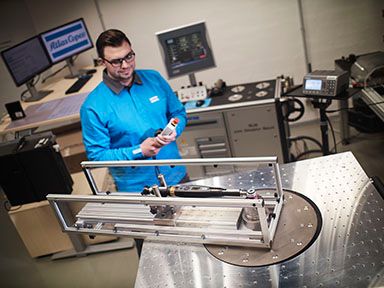
Tensile testing provides the most definitive measure of joint strength. The tensile test pulls the riveted joint to destruction. By looking at the resultant debris of the coupon, the failure mode of the joint can be determined. Ideally, the material from the application components are used whenever possible to avoid misleading results.
Types of tests:
- Shear testing: Measures the force required to pull the rivet sideways.
- Cross tension testing: Assesses the rivet’s resistance to being pulled apart vertically, often the most revealing test for joint weaknesses.
Common failure modes:
- Tail tear-out: The rivet tail tearing out of the bottom sheet is most common in multi-stack joints or when the bottom sheet is to thin.
- Head bearing failure: The rivet head bearing out of the top sheet is the ultimate failure mode. Here, the joint is as strong as it can be without increasing the diameter of the rivet head. This mode is most common in 2-stack joints when the top sheet is the significantly thinner component.
The right joint for your application
Getting the joint design right from the start is essential to achieving reliable SPR performance. Involving Atlas Copco’s joining specialists early in the development phase ensures your SPR joints meet performance expectations every time. With over 30 years of experience, we support you throughout the entire process - from selecting the right rivet to designing and validating the joint - so you get it right the first time.

