
October 23, 2025
Why nitrogen gas matters in pharmaceutical industry
Estimated reading time: 5 minutes
Using Nitrogen in pharma

In the pharmaceutical industry, nitrogen gas is used to replace a hazardous or undesirable atmosphere with an inert dry atmosphere. Nitrogen gas reduces the presence of oxygen that may provide the catalyst for combustion or negatively affect product quality. Nitrogen can help maintain sterility and cleanliness of pharmaceutical products and control the level of oxygen in a workspace, lab or throughout an entire facility. Examples of nitrogen gas used in pharmaceutical manufacturing processes include: • Blanketing active and high purity pharmaceutical ingredients during manufacturing • Removing oxygen to prevent rapid oxidation and suppress fire • Ensuring an inert environment inside vaccine vials • Inert atmosphere packaging
Common Applications of Nitrogen in Pharmaceuticals
Pharmaceutical manufacturers use nitrogen in several key stages of production:
Blanketing and Inerting: Protecting active ingredients and formulations from oxygen exposure.
Purging and Cleaning: Removing contaminants and moisture from pipelines and storage tanks.
Packaging: Creating an oxygen-free environment for tablets, vials, and blister packs.
Transfer and Mixing: Maintaining purity during fluid transfers and mixing operations.
Each application requires high-purity nitrogen, typically ranging from 99% to 99.999%, depending on the process and regulatory standards.
Nitrogen in packaging

Nitrogen purging is a widely used technique that removes oxygen from packaging before sealing to help preserve and protect the product during transport. Examples of items frequently packaged with nitrogen gas include:
• Blister packaged pharmaceutical products
• Test kits for physician offices
• Blood supplies
• Specimen containers
• Sterile medical devices
Nitrogen for product transfer
In pharmaceutical manufacturing, nitrogen is frequently used to move a reaction mixture from one vessel to another. Using a safe, inert gas to transfer liquid or powder pharmaceutical materials is crucial as they can be hazardous if improperly handled. Many pharmaceutical ingredients can be damaged or even explode if allowed to contact oxygen or water vapor.
Nitrogen generators for pharma
The air we breathe is about 78% nitrogen. Higher purity nitrogen is generated by separating nitrogen from other molecules within a clean, dry compressed air stream, resulting in a purified supply of nitrogen. Pharmaceutical companies that require a reliable source of high purity nitrogen can benefit by generating their own nitrogen in-house to reduce cost while controlling quality and boosting efficiency. Generating nitrogen in-house enhances production flexibility by ensuring that a company has the nitrogen they need, at the level of purity they need, when they need it.
Nitrogen Gas vs. Liquid Nitrogen
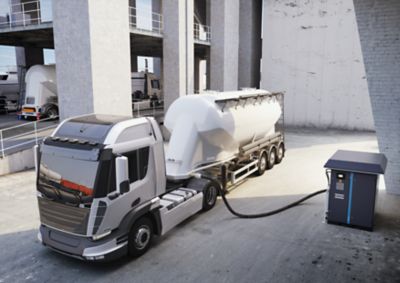
About 80 percent of nitrogen end uses require nitrogen as a gas, not as a liquid. Still, many companies use bottled liquified nitrogen. The primary reason nitrogen is liquified is for ease of transportation, but generating liquid nitrogen requires a tremendous amount of energy. Shifting to in-house nitrogen generation of nitrogen gas can help pharmaceutical manufacturing facilities achieve significant cost savings—from 40 to 80 percent, depending on current liquid nitrogen market prices. In-house generation of nitrogen gas also frees up space otherwise needed to store nitrogen bottles (both full and empty). There is the added benefit of a lower carbon footprint that helps companies lead the way as environmental stewards.
Ask an air system professional about the best solution for generating nitrogen in-house.
How nitrogen gas is generated On-site (in-house)
Modern pharmaceutical facilities produce nitrogen on-site using two primary technologies — Pressure Swing Adsorption (PSA) and Membrane Separation.
1. PSA Nitrogen Generation
Pressure Swing Adsorption (PSA) technology uses compressed air as the raw material. The air passes through a Carbon Molecular Sieve (CMS) that adsorbs oxygen and allows nitrogen to flow through.
Produces high purity (up to 99.999%)
Ideal for applications requiring consistent, ultra-pure nitrogen
Fully automated with continuous operation
2. Membrane Nitrogen Generation
Membrane generators separate nitrogen from air using semi-permeable fibers.
Energy-efficient and simple to operate
Compact footprint — great for packaging or smaller lines
Best for purity levels between 95–99.5%
PSA vs. Membrane: Which Is best for your application?
| Feature | PSA Nitrogen Generator | Membrane Nitrogen Generator |
|---|---|---|
| Purity | Up to 99.999% | Up to 99.5% |
| Flow Capacity | Medium to high | Low to medium |
| Maintenance | Moderate | Very low |
| Energy Efficiency | High | Very high |
| Ideal Use | Large pharma production lines | Packaging, labs, R&D units |
Nitrogen purity requirements for pharmaceutical use
The required nitrogen purity depends on the specific pharmaceutical process:
| Application | Typical Nitrogen Purity % | Purpose |
| Packaging | 99%–99.9% | Prevent oxidation and moisture |
| Lyophilization (freeze-drying) | 99.999% | Inert environment for sensitive materials |
| Blanketing | 99.5% | Protect APIs and excipients |
| Transfer and purging | 98–99.5% | Avoid contamination |
Advantages of On-site nitrogen generation in pharma
Switching from bulk supply to on-site generation offers pharmaceutical manufacturers several tangible benefits:
Up to 80% cost savings on nitrogen supply and logistics.
Continuous availability — no waiting for cylinder or tanker deliveries.
Guaranteed purity and compliance with GMP and USP standards.
Reduced environmental impact — no transport or cylinder handling.
Compact, fully automated systems integrated with existing air compressors.
What purity level of nitrogen is needed for pharmaceutical packaging?
Most packaging processes require 99%–99.9% nitrogen purity to prevent oxidation and extend product shelf life.
What is the main difference between PSA and membrane nitrogen generation?
PSA systems produce ultra-high purity nitrogen (up to 99.999%), while membrane systems are simpler and more energy-efficient for moderate purity applications.
How much can pharma plants save with on-site nitrogen generation?
On average, facilities save up to 80% compared to bulk nitrogen deliveries, depending on usage and system size.


