
Avoid delivery hazards with on-site gas generation
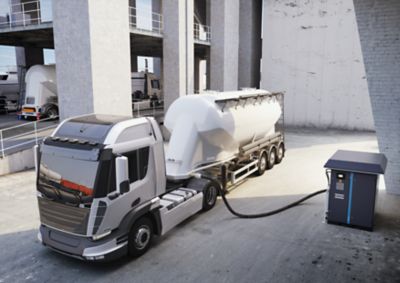
Relying on delivered gas (whether in cylinders or bulk tanks) introduces several safety hazards to your facility. High-pressure storage increases the risk of sudden rupture, while cryogenic liquids (like liquid nitrogen) can cause severe burns and over-pressurization if mishandled.
Transportation accidents are also a major concern. Each delivery and cylinder changeout increases the risk of gas leaks, contamination, or accidental releases, putting both personnel and processes at risk.
On-site gas generation enables companies to produce gases such as nitrogen or oxygen directly at their facility, as needed. Instead of relying on external deliveries, you install a generator that uses technologies such as Pressure Swing Adsorption (PSA) or membrane separation. These systems draw from existing air supplies, separating out the required gas and delivering it on demand.
This approach removes the need for frequent cylinder changeouts, reduces hazardous gas storage, and gives you full control over gas purity and supply. For many industries, on-site generation is a proven way to enhance safety, reliability, and operational efficiency.
Switching to on-site gas generation brings measurable safety improvements across your operation. Here’s how:
- Eliminates transportation and delivery vehicle risks: No more hazardous gas deliveries means fewer transport-related incidents and less exposure to road accidents.
- Reduces manual handling and musculoskeletal injuries: With no cylinders to move, the risk of back injuries and dropped loads is dramatically reduced.
- Minimizes high-pressure storage and rupture hazards: On-site systems often store less gas at lower pressures, lowering the risk of catastrophic failures.
- Avoids cryogenic burn and frostbite dangers: Eliminating bulk cryogenic liquid deliveries means less risk of cold burns and over-pressurization.
- Controls purity and prevents unwanted reactions: On-site systems deliver consistent, high-purity gas, reducing risk of contamination and process upsets.
Discover how on-site generation can address your facility’s unique safety challenges with Atlas Copco’s Total Oxygen & Nitrogen Solutions.
Transitioning to on-site gas generation is a major safety upgrade, but it’s essential to follow best practices for design, installation, and operation. Here’s how to ensure a safe and compliant system:
Design and installation standards
Follow industry standards and regulations such as OSHA 1910.101 and EIGA guidelines. Ensure proper sizing, material selection, and ventilation to prevent accumulation of inert or hazardous gases. Professional installation by certified technicians is highly recommended.
Pressure control and relief systems
Install robust pressure control and relief valves to prevent over-pressurization. Regularly test these safety devices to ensure they function correctly in an emergency.
Gas detection, monitoring & emergency shut-off
Room gas detection and alarm systems provide timely warning of leaks, allowing for quick intervention before hazards escalate. Automatic shut-off valves and emergency stop buttons add another layer of protection, ensuring rapid response if an issue arises.
Maintenance schedules and operator training
Establish a regular maintenance schedule for all equipment and provide thorough training for operators. Well-trained staff and proactive maintenance are key to preventing incidents and ensuring long-term reliability.
Remember, one of the most critical safeguards for operators working in confined spaces is a personal oxygen leakage detector with an alarm.

Read our guide nitrogen and oxygen gas safety, which outlines the risks of bottled, liquid, and on-site gas generation, along with the precautions needed to create a safe working environment.
On-site gas generation isn’t just safer—it’s also a smart financial and environmental move. Facilities can save significantly on nitrogen costs compared to traditional cylinder or bulk liquid deliveries. By eliminating regular truck deliveries, you also reduce your carbon footprint.
On-site systems provide a stable, uninterrupted gas supply, making your operation more resilient to supply chain disruptions. There’s also less administrative burden: no more tracking cylinder inventory, rental agreements, or delivery schedules.
As the global on-site gas generation market continues to grow, more companies are making the switch to improve both their bottom line and their sustainability profile.
Case study: Atlas Copco on-site nitrogen generation system reduces CO2 needs and boosts productivity for Northern Irish craft brewery
A growing craft brewery once depended on regular bulk CO₂ deliveries to support its production—from purging tanks to kegging beer. This meant frequent truck visits, rising operational costs, and concerns about supply interruptions and environmental impact.
After switching to on-site nitrogen generation using a compressed air-fed system, the brewery experienced immediate improvements. CO₂ deliveries dropped from weekly to just once every five weeks, logistics were simplified, and the team reduced reliance on an external supplier. The move also resulted in substantial cost savings and better control over the brewing process, especially for nitrogenated beer styles (e.g. Irish stout).
Are you ready to switch to on-site gas generation?
Interested in exploring advanced on-site solutions? Atlas Copco’s Total Oxygen & Nitrogen Solutions can help you get started. In case you have any questions, please reach out to our team of experts with your enquiry.
Frequently Asked Questions
How can gas hazards be prevented?
Gas hazards are best prevented by eliminating delivery and storage risks—on-site generation reduces hazardous inventory and leak points. Combine this with engineering controls (ventilation, gas detection), administrative controls (training, procedures), and PPE for a layered safety approach.
What are the safety hazards of gas?
Hazards vary by gas type and storage: asphyxiation (inert gases), flammability/explosion, high-pressure rupture, cryogenic burns, and toxicity. On-site generation minimizes many of these by reducing the need for high-pressure or cryogenic storage and frequent handling.
What are the hazards of gas carriers?
Large-scale gas transport (by truck or ship) can result in vapor cloud explosions, cryogenic frostbite, and leaks. On-site generation reduces reliance on external carriers, making your facility safer.
How do you prevent gas leaks in the workplace?
Ensure system integrity with proper materials and installation, regular maintenance, ventilation, and gas detection systems. On-site generation further reduces leak points by eliminating frequent cylinder changes.
Read more


