
How Optimized Compressor Room Ventilation Reduces Operating Costs and Improves Efficiency
June 23, 2026
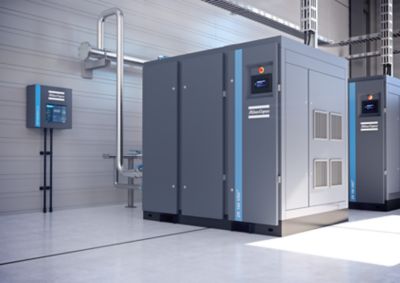
The ventilation of a compressor room is a central factor for the performance and operational safety of a compressed air system. Although the compressor itself is the focus of many operators, the ventilation design is often overlooked. In reality, airflow directly impacts operating temperatures, energy consumption, equipment lifespan, and overall system performance.

A well-designed ventilation ensures that the compressor can be operated within their optimal temperature range, helping maintain peak efficiency.
The Importance of a Stable Ambient Temperature
Every air compressor generates a significant amount of heat during operation. Without effective heat removal, room temperatures can rise rapidly, creating conditions that negatively affect system performance.
High temperatures can lead to:
- Reduced compressor output due to warmer, less dense intake air.
- Increased mechanical and thermal load on critical components.
- Lower efficiency of oil separators, filters and air dryers.
- More frequent safety shutdowns due to overtemperature

By maintaining a stable ambient temperature, proper compressor room ventilation minimizes thermal stress, supports consistent performance, and extends equipment life.
Supply Air, Exhaust Air and Air Ducting as a Complete System
For effective compressor room ventilation, supply air and exhaust air must be in balance. The warm air emitted by the compressor must be actively removed from the room, while, at the same time sufficient cool fresh air can flow in. This requires a view of the airways as a closed system.
Important factors include:
Adequate Supply Air Intake
Fresh air openings must be able to enter the room in sufficient quantities. Constrictions or openings that are too small can restrict airflow, causing temperatures to rise and reducing cooling effectiveness.
Proper Exhaust Air Management
Hot exhaust air should be routed away from the compressor room efficiently. Poorly designed ductwork can allow heat to recirculate, increasing intake temperature and reducing system efficiency.
Maintaining Sufficient Free Area
Weather hoods, louvres, and screens can significantly reduce the effective opening size. These restrictions must be accounted for during ventilation design to ensure adequate airflow.
Controlling Air Velocity

Air movements should be optimized throughout the ventilation systems. Velocities that are too low may reduce heat removal, while excessive velocities can create pressure losses and decrease overall system performance.
When supply and exhaust airflow are properly balanced, heat can be removed efficiently and consistently.
Understanding the Importance of Air Mass Flow
One of the most overlooked aspects of compressor room ventilation is the relationship between airflow volume and air mass airflow.
Many ventilation calculations focus solely on volumetric airflow. However, the actual cooling capacity is determined by the mass flow. Temperature, pressure and humidity influence the air density and, thus, the actual air mass that flows through the room.
This means:
- The same flow rate does not automatically mean the same cooling capacity
- Warmer air is less dense and absorbs less heat
- Higher altitudes reduce air density and cooling performance
- Increased humidity can lower cooling effectiveness
Failing to account for air density can lead to undersized ventilation systems and inadequate heat removal, particularly in demanding operating environments.
Effects of Inadequate Compressor Room Ventilation
Poor or undersized ventilation can negatively affect the entire compressed air process. Common consequences include:
Compressor Overheating
High room temperatures can trigger thermal shutdowns, reached more quickly, resulting in operational interruptions.
Reduced Energy Efficiency
Compressors operating in elevated temperatures typically require more energy to maintain performance levels.
Lower Air Delivery Capacity
Warm intake air reduces the delivery volume and, thus, the available volume flow of compressed air.
Decreased Performance of Air Treatment Equipment
Air dryers and filtration systems are highly temperature-sensitive and operate less effectively when exposed to excessive heat.
Accelerated Equipment Wear
Prolonged exposure to high temperatures places additional strain on bearings, motors, lubricants, seals, and compression elements, reducing service life and increasing maintenance costs.
The result is often a combination of higher energy bills, more repairs, and a greater risk of unplanned downtime.
Common Compressor Room Ventilation Mistakes
In many systems, similar error patterns can be detected that can be traced back to inadequate ventilation. The most common misconfigurations include:
- Air openings that are too small, especially if weather screens reduce the free area.
- Unfavourable positioning of the supply air, often too close to heat sources.
- Exhaust air ducts that are too long or too narrow, which create unnecessarily high pressure loss.
- Lack of control options for summer and winter operation so that the air flow cannot be adapted to the seasonal conditions.
- Recirculation of the warm exhaust air into the intake area, often unintentionally due to unclear flow paths.

Advantages of Optimized Compressor Room Ventilation
Investing in a well-dimensioned and professionally planned ventilation offers a variety of advantages:
- Stable operating temperatures
- Increased compressor energy efficiency
- Fewer service interruptions and shutdowns
- Longer component life
- Reliable compressed air quality even at high outside temperatures
- Less wear and less maintenance
This makes it clear that ventilation is not only a technical necessity, but a central building block for the overall efficiency and stability of the compressed air supply.
Conclusion
Compressor room ventilation is far more than a supporting component of a compressed air system, it is a key factor in energy efficiency, equipment reliability, and long-term operational performance. By carefully balancing supply air, exhaust airflow, duct design, and air density considerations, facilities can effectively manage heat, reduce operating costs, and maximize system lifespan.
A professionally designed compressor room ventilation system is an investment that pays for itself through lower energy consumption, improved productivity, reduced downtime, and more reliable compressed air performance.


