
How long does it take to replace a compressor?
Replacing a compressor can take anywhere from a few hours to several weeks, depending mainly on the size of the machine and the complexity of the installation.
If your production depends on compressed air, knowing what to expect is essential for planning downtime, scheduling maintenance, and keeping your operations running smoothly.
Below is a practical breakdown of the key factors that influence the timeline and how long different compressor types typically take to replace.

What affects compressor replacement time?
- Size and type of compressor
Smaller units are quick to swap; larger engineered systems require full project planning.
- Integration with controls and monitoring
Central controllers, energy‑monitoring tools, or heat‑recovery add configuration time.
- Piping and utility complexity
Older or customized pipework may require redesign or adaptation.
- Accessibility of the compressor room
Tight spaces, basements, or elevated platforms can slow down extraction and installation.
- Electrical requirements
Upgrades to cabling or switchgear may be needed, especially for larger or modern systems.
- Additional system components
Dryers, filters, coolers, or heat‑recovery modules can extend the project into a broader system upgrade.
Replacement times by compressor type
1. Small to medium compressors (5–75 kW)
Typical replacement time: a few hours to 1–2 days
These compact, stand-alone, or plug‑and‑play machines usually have simple hookups and limited integration. That makes replacement relatively straightforward.
What’s included:
- Disconnecting and removing the old unit
- Positioning and installing the new compressor
- Reconnecting power and piping
- Running performance checks and commissioning
Many facilities choose to schedule these replacements outside production hours to minimize downtime.

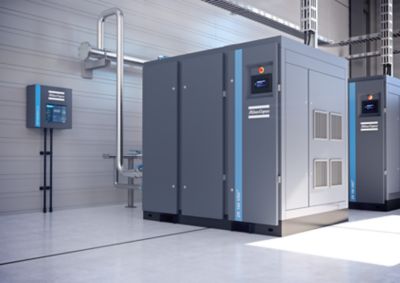
2. Medium to large rotary screw compressors (75–250+ kW)
Typical replacement time: several days to 1–2 weeks
As compressors get larger, so does the complexity of the installation. These systems often interface with:
- Multiple air lines
- Cooling circuits
- Central controllers
- Heat‑recovery or energy‑monitoring modules
Even if the physical swap is quick, preparation—like modifying piping, evaluating the foundation, or upgrading power supply—often extends the total timeline.
Typical work includes:
- Decommissioning the existing unit
- Integrating with plant control systems
- Adapting electrical or piping infrastructure
- Testing and commissioning

3. Large engineered or centrifugal compressors
Typical replacement time: several weeks
High‑capacity units are deeply integrated into a plant’s utilities. Replacing them is a major project, not a drop‑in change.
What this type of project usually involves:
- Engineering studies and site assessments
- Custom piping or ducting
- Structural or foundation adjustments
- Significant electrical and control‑system integration
- Multi‑stage commissioning and performance validation
These replacements are often planned around scheduled plant shutdowns due to their scope and complexity.

Keeping production running during replacement
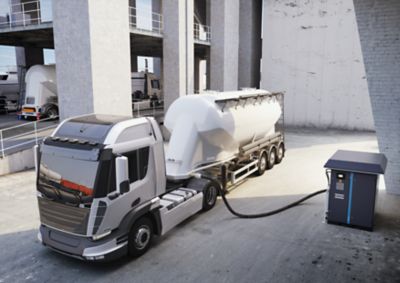
If downtime isn’t an option, temporary compressed‑air solutions can keep your operations online.
Rental compressors are especially helpful during:
- Multi‑week replacement projects
- Emergency failures
- Major system upgrades
- Planned maintenance shutdowns
This approach ensures your operations continue while technicians carry out the installation safely and thoroughly.
Replacement times summary
So, how long does it take to replace a compressor?
Here’s a quick overview:
Compressor type |
Typical replacement time |
|
Small / plug‑and‑play units |
Hours to 1–2 days |
|
Medium to large rotary screw |
Several days to 1–2 weeks |
|
Large engineered or centrifugal systems |
Several weeks |
Planning ahead, and using rental support when needed, helps ensure a smooth, efficient transition to your new compressor system.
Is now the right time to replace?
Find out if a repair is enough or when replacement is the smarter long‑term choice.