
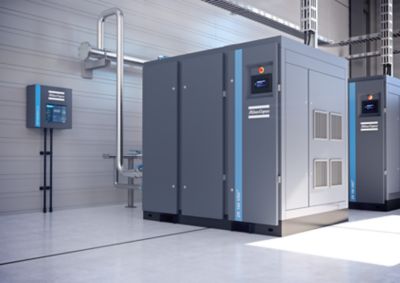
Lợi ích máy nén khí có dầu và không dầu là gì?
Máy nén khí có dầu hay không dầu - đâu là lựa chọn tối ưu dành cho bạn?
Bước đầu tiên khi lựa chọn bất kỳ loại máy nén khí nào là đánh giá nhu cầu của cơ sở bạn.
Phần lớn các nhà máy sản xuất, cơ sở công nghiệp và xưởng nhỏ đều sử dụng máy nén khí có dầu. Với loại máy này, dầu được sử dụng để bôi trơn, làm kín và làm mát khí nén.
Do quá trình này, một lượng nhỏ dầu có thể lẫn vào khí nén đầu ra. Tuy nhiên, trong hầu hết các trường hợp, điều này không ảnh hưởng đến hiệu suất hoạt động. Ngoài ra, bạn có thể sử dụng các thiết bị xử lý khí nén chất lượng cao và bộ lọc tách dầu để loại bỏ dấu vết dầu xuống mức 0.01 micron.

Việc làm sạch bổ sung có thể thực hiện bằng bộ lọc than hoạt tính. Nhờ đó, có thể đạt được độ tinh khiết khí nén theo tiêu chuẩn ISO 8573-1 Class 1. Khi sử dụng bất kỳ bộ lọc nào, việc bảo trì đúng cách được khuyến nghị để đảm bảo hiệu suất tối ưu.
Có những trường hợp mà hậu quả của việc nhiễm dầu dù chỉ rất nhỏ là quá nghiệm trọng. Các ví dụ điển hình bao gồm sản xuất thực phẩm, ứng dụng hóa chất và y tế. Trong nhưng tình huống này, việc sử dụng hệ thống máy nén khí không dầu là điều bắt buộc.
Loại máy nén này thường đắt hơn so với máy nén khí có dầu do cần sử dụng các phương pháp làm mát khác. Ngoài ra, chúng cũng có thể phát sinh chi phí bảo trì và dịch vụ cao hơn do ma sát tăng. Nếu bạn vẫn đang phân vân chưa biết lựa chọn nào là phù hợp, hãy tham khảo danh mục máy nén khí của chúng tôi.
Ngành nghề / Ứng dụng |
Yêu cầu khí nén |
Lý do chọn máy không dầu |
Thực phẩm & Đồ uống |
Khí nén tiếp xúc trực tiếp với sản phẩm |
Tránh nhiễm dầu gây ảnh hưởng đến chất lượng và an toàn thực phẩm |
Y tế & Dược phẩm |
Khí nén dùng trong sản xuất thuốc, thiết bị y tế |
Đảm bảo độ tinh khiết tuyệt đối, tránh rủi ro sức khỏe |
Điện tử & Bán dẫn |
Khí nén dùng trong môi trường siêu sạch |
Dầu có thể gây hỏng vi mạch, ảnh hưởng đến độ chính xác |
Sơn & In ấn cao cấp |
Khí nén dùng để phun sơn, in bao bì |
Dầu lẫn trong khí gây lỗi màu, bong tróc hoặc hỏng sản phẩm |
Phòng thí nghiệm & nghiên cứu |
Khí nén dùng trong thiết bị phân tích |
Cần khí sạch tuyệt đối để đảm bảo kết quả chính xác |
Ngành sản xuất pin và năng lượng sạch |
Khí nén dùng trong quy trình sản xuất pin lithium, hydrogen. |
Dầu có thể gây phản ứng hóa học không mong muốn |
Như đã đề cập ở trên, độ tinh khiết của không khí cấp độ 1 (class 1) được xác định bởi Tổ chức Tiêu chuẩn hóa Quốc tế (ISO). Tổ chức này đặt ra các tiêu chuẩn toàn cầu cho mục đích sở hữu trí tuệ, công nghiệp và thương mại. Không khí nén có một bộ tiêu chuẩn ISO riêng.
Tùy thuộc vào độ tinh khiết cuối cùng của không khí (số lượng hạt trên mỗi mét khối theo kích thước hạt), máy nén khí có thể phân loại từ ISO 8573-1 Class 0-5.

Các cấp độ tinh khiết của khí nén
Class 0 và thuật ngữ "không dầu về mặt kỹ thuật" thường được dùng để ám chỉ rằng máy nén khí đáp ứng một số tiêu chuẩn nhất định. Mặc dù hai thuật ngữ này có vẻ giống nhau, nhưng chúng có những điểm khác biệt quan trọng cần được hiểu rõ. Nếu không xem xét kỹ lưỡng, có thể dẫn đến những hậu quả không mong muốn.
Như đã đề cập ở trên, máy nén khí không dầu được sử dụng trong các ứng dụng nhạy cảm như sản xuất chất bán dẫn, y tế và giấy. Ngay cả một lượng dầu nhỏ nhất cũng có thể gây ra ảnh hưởng tiêu cực đến sản phẩm và con người.
Để hiểu rõ hơn, chúng ta cần xem xét kỹ ý nghĩa của "không dầu". "Không dầu" và "không sử dụng dầu" đều được dùng để mô tả các loại máy nén khí không sử dụng chất bôi trơn. Trong khi hai thuật ngữ đầu mô tả loại máy nén, thì "Class 0" và "không dầu về mặt kỹ thuật" lại liên quan đến độ tinh khiết của khí nén.
ISO 8673-1 Class 0 là lựa chọn sạch nhất. Các máy đáp ứng tiêu chuẩn này có thể đảm bảo không khí hoàn toàn không chứa dầu. Tuy nhiên, hiện nay có một số tuyên bố sai lệch quảng bá máy nén khí có dầu là "không dầu về mặt kỹ thuật" bằng cách sử dụng bộ lọc. Một số thậm chí còn cho rằng hệ thống này cung cấp chất lượng không khí tốt hơn máy nén khí không dầu. Những tuyên bố này là không đúng sự thật và có thể gây ra thiệt hại ngoài ý muốn.
Khi đầu tư vào hệ thống khí nén không dầu, hãy đảm bảo chọn máy nén khí không dầu đạt chuẩn class 0. Tránh sử dụng các thiết bị được quảng cáo là "không dầu về mặt kỹ thuật". Mặc dù máy nén khí Class 0 có giá thành ban đầu tương đối cao, nhưng đây là lựa chọn an toàn nhất cho các ứng dụng nhạy cảm.
Với Class 0, bạn có thể yên tâm rằng không có bất kỳ sự nhiễm bẩn nào ảnh hưởng đến thiết bị đầu cuối của người dùng, đồng thời bảo vệ tài sản của bạn. Luôn là một thực hành tốt khi tham khảo ý kiến chuyên gia khí nén trước khi lựa chọn máy nén khí không dầu hoặc có dầu.
Class 1 theo tiêu chuẩn ISO quy định nồng độ dầu tối đa là 0,01 mg/m³ tại áp suất 1 bar(a) (tương đương 14,5 psi) và nhiệt độ 20°C (68°F). Việc tuân thủ các tiêu chí này đôi khi được gọi là “giải pháp không dầu về mặt kỹ thuật”.
Thông số đo này đã được chỉnh sửa vào năm 2001 và cập nhật thêm vào năm 2010. Tiêu chuẩn hiện tại đặt giới hạn cho tổng hàm lượng dầu (bao gồm dạng khí dung, lỏng và hơi), đồng thời bổ sung yêu cầu cụ thể về việc đo lường hơi dầu.
Cả máy nén khí trục vít tốc độ cố định và loại có biến tần (VSD), cũng như máy nén khí piston, đều có nhiều mẫu mã khác nhau. Hy vọng bài viết này giúp bạn hiểu rõ những yếu tố cần cân nhắc khi mua máy nén khí có dầu và không dầu.
Nếu bạn cần thêm thông tin, đội ngũ của chúng tôi luôn sẵn sàng hỗ trợ. Đừng ngần ngại liên hệ với chúng tôi ngay hôm nay.


Máy nén có nhiều loại và kích cỡ. Từ những chiếc máy khổng lồ giúp các nhà máy sản xuất lớn hoạt động đến những phiên bản nhỏ mà những người dùng thích tự mình làm mọi thứ sử dụng, luôn có một máy nén cho mọi người. Với quá nhiều kiểu máy để chọn lựa, đâu là máy nén phù hợp cho bạn? Hướng dẫn này sẽ giúp bạn đưa ra quyết định đúng đắn cho doanh nghiệp của bạn.
Bạn có muốn trao đổi với một trong các chuyên gia của chúng tôi không? Họ rất vui được hỗ trợ bạn tìm ra máy nén tối ưu.
Các câu hỏi thường gặp (FAQ)
Máy nén khí có dầu và không dầu khác nhau như thế nào?
Máy nén khí có dầu sử dụng dầu để bôi trơn và làm mát trong quá trình vận hành, trong khi máy không dầu không sử dụng dầu, giúp đảm bảo không khí đầu ra sạch hơn - phù hợp với các ứng dụng yêu cầu độ tinh khiết cao.
Ứng dụng nào cần sử dụng máy nén khí không dầu?
Các ngành như y tế, thực phẩm, dược phẩm, điện tử và sản xuất giấy thường yêu cầu máy nén khí không dầu để tránh nguy cơ nhiễm bẩn sản phẩm.
“Không dầu về mặt kỹ thuật” có giống với “hoàn toàn không dầu” không?
Không. “Không dầu về mặt kỹ thuật” thường chỉ các hệ thống có dầu nhưng sử dụng bộ lọc để loại bỏ dầu khỏi không khí đầu ra. Trong khi đó, “hoàn toàn không dầu” (Class 0) đảm bảo không khí đầu ra không chứa bất kỳ dấu vết dầu nào.
Máy nén khí có dầu có phù hợp với các ứng dụng công nghiệp không?
Có. Máy nén khí có dầu thường phù hợp với các ứng dụng công nghiệp không yêu cầu độ tinh khiết cao, nhờ hiệu suất cao và chi phí đầu tư ban đầu thấp hơn.
Làm thế nào để chọn đúng loại máy nén khí cho doanh nghiệp của tôi?
Việc lựa chọn phụ thuộc vào yêu cầu về độ tinh khiết không khí, ngân sách, và ứng dụng cụ thể. Bạn nên tham khảo ý kiến chuyên gia khí nén để được tư vấn phù hợp.